
Understanding the House Edge
The house edge is a fundamental concept in casino gaming that ensures the establishment remains profitable over the long run. It refers to the mathematical advantage the casino has over players in any given game, expressed as a percentage of each bet that the casino expects to keep over time. For instance, a game with a house edge of 5% means that for every $100 wagered, the casino anticipates retaining $5 as profit. Many enthusiasts also enjoy the thrill of slots, where they might try their luck at the best online pokies australia , and this small margin may seem insignificant, but as more players join in and place larger bets, the accumulation of this edge becomes substantial, ensuring the casino’s financial success.
Different games have varying house edges, which can significantly influence player choices. Games like blackjack can possess a relatively low house edge when players employ optimal strategies, while slot machines typically feature much higher edges. Understanding these disparities is crucial for players, as they highlight why outcomes tend to be unfavorable in the long term, irrespective of individual wins or losses. The house edge is not merely a product of luck; it represents a carefully calculated strategy embedded within the game’s structure, ensuring that the casino can sustain its operations and profitability.
Moreover, the house edge is structured to guarantee profitability even in scenarios where player skill or strategy may come into play. It is an intrinsic aspect of game design that reflects both the underlying probabilities and the payout structures. By familiarizing themselves with the house edge, players can make more informed decisions regarding which games to engage in, potentially extending their gaming experience without suffering significant losses. Nevertheless, the allure of potential big wins can often overshadow this critical statistic, leading players to wager without fully grasping the associated risks.
The Role of Probability and Odds
Understanding probability and odds is essential for appreciating how casinos maintain their advantage. Each game is intricately designed with specific odds that dictate the likelihood of various outcomes. For example, in roulette, the presence of the zero and double zero slots means that the probability of winning on a single number bet is considerably lower than many players might intuitively believe. This critical factor feeds directly into the house edge, reinforcing the idea that outcomes are often stacked against players.
Players typically enter casinos with a mindset shaped by luck rather than a solid grasp of probability and odds. This can foster overconfidence, particularly in games where skill can influence outcomes, such as poker. However, even in these scenarios, the house continues to profit by taking a percentage from each pot, further solidifying the notion that the odds are designed to favor the house, regardless of player skill or strategy. A thorough understanding of these odds can help players make more informed choices and avoid the pitfalls of overestimating their chances of winning.
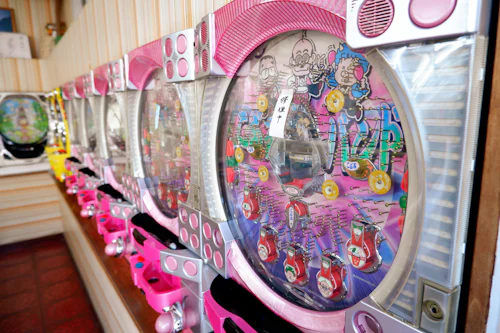
The complexities of odds can be bewildering for those unfamiliar with gaming mechanics. Many players mistakenly believe they can overcome the house edge through sheer skill or a lucky streak. Unfortunately, this often leads to losses that exceed their understanding of the game. Educating players about these concepts can promote a more realistic approach to gambling, helping them manage their expectations and enhance their overall experience without falling into financial traps.
The Psychological Aspect of Gambling
The psychology of gambling significantly contributes to the sustained success of casinos. One of the key psychological factors is the phenomenon known as « loss aversion, » whereby players experience the pain of losing much more acutely than the joy of winning. This can lead individuals to chase losses, betting more than they typically would in hopes of recouping what they’ve lost. Casinos adeptly exploit this behavior by crafting an environment rich in sensory stimulation and excitement, keeping players engaged and returning for more.
The ambiance of casinos plays a pivotal role in this psychological manipulation. With vibrant lights, loud sounds, and the presence of fellow players, the environment is designed to be intoxicating and exhilarating. This immersive experience can distort a player’s perception of time and money, making them less aware of the losses they incur. The strategic absence of clocks or windows in many casinos is a deliberate choice aimed at prolonging the gambling experience, ensnaring players in a continuous cycle of bets, wins, and losses.
Furthermore, the use of ‘near misses’ in slot machines and other games reinforces the allure of gambling. These near-wins generate a sense of hope and excitement, prompting players to continue playing despite their losses. This psychological manipulation, combined with the structured advantage of the house edge, ensures that casinos maintain their profitability. Players often leave feeling exhilarated from their gaming sessions, even if their financial outcomes tell a different story, perpetuating the cycle of gambling.
Game Design and Mechanics
The design of casino games is meticulously crafted to support the house edge while providing an entertaining experience for players. This involves a careful balance of probability, payout structures, and visual appeal. For instance, slot machines are engineered to deliver intermittent rewards, fostering habit-forming behaviors among players. The randomness of outcomes is fine-tuned to keep players engaged, while the payout rates are structured to guarantee the casino’s profitability over time.
Modern technology has introduced sophisticated algorithms, such as random number generators (RNGs), into electronic gaming machines to enhance gameplay complexity. These RNGs ensure that each spin or deal is entirely independent of previous results, maintaining the unpredictability factor that keeps players returning. While this technology adds an element of fairness and randomness, it also reinforces the reality that, statistically, the house will always emerge as the winner over time.
Additionally, many table games incorporate elements of player participation that create a more engaging experience, yet still preserve the house advantage. Games like blackjack and baccarat encourage players to employ strategies, but the house edge remains consistently present. This design draws players into a deeper commitment to the game while subtly reminding them of the odds stacked against them. The interplay of skill versus chance in game mechanics often leads players to underestimate the importance of the house edge, ultimately affecting their gaming outcomes.
Conclusion: Understanding the Advantage of the House
Recognizing the house edge and the mechanics behind it is crucial for anyone participating in casino games. The house edge is a built-in aspect of the game’s structure, ensuring that over time, the casino will profit regardless of individual player successes. When combined with the complexities of probabilities and the psychological tactics employed by casinos, players often find themselves at a disadvantage. Understanding these elements can empower players to make more informed decisions and manage their gambling habits more effectively.
By educating themselves about the intricacies of game design, odds, and psychology, players can navigate the casino landscape more intelligently. They can appreciate the entertainment value of gambling without succumbing to the false promises of easy wins. Ultimately, comprehending the house edge is not merely about minimizing losses; it’s about fostering a healthier relationship with gambling as a form of entertainment and leisure.
In conclusion, the captivating allure of casinos is not simply a matter of luck or chance; it is rooted in a profound understanding of game mechanics and human psychology. Acknowledging this reality allows players to engage responsibly and enjoyably while maintaining awareness of the fundamental truths about gambling. Education and awareness empower players to take control of their gaming experiences, helping to mitigate the inherent risks present in the casino environment.